Boondocking Safety and Etiquette
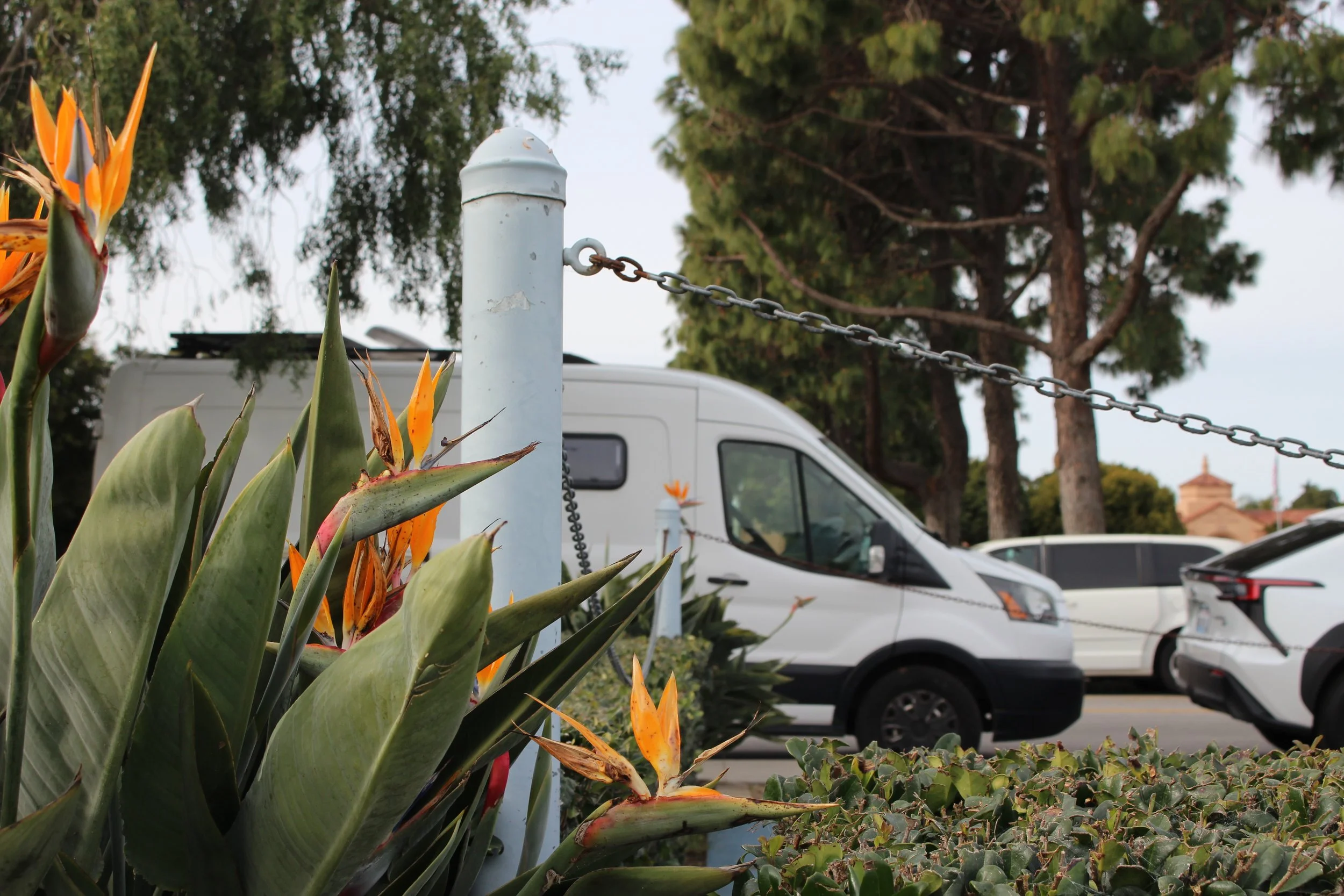
Lets take our home for a ride
How green is the grass on the other side?
Jesse Woods, “Mobile Home”
The term boondocking comes from the Filipino word Bundók meaning “mountain”. U.S soldiers brought the word back with them after the Philippine-American war in 1900. “The boonies” short for boondocks became a synonym for “the middle of nowhere”. In the early 1900s, Model-T owners became the first to car camp anywhere they could on open land or city streets. RVs from the 1950-90s began seeking out public land and forest roads to camp on. But before RVs in the 1800s and beyond, early outdoorsmen, ranchers, and explorers slept in wagons or tents on undeveloped land. The term boondocking has now taken on the meaning of stealth camping in urban or suburban areas.
It’s important to acknowledge the thoughts ahead as opinions based solely on a handful of years of experience. We all have our own unique perspectives on the world and our relationship with it. I welcome any feedback on what might be missing or improved to better represent the boondocking community.
Boondocking Etiquette
I’ll first honor the residents of the communities being discussed. The homeowners and tenants who live in communities have a right to privacy and their property respected. I believe boondockers can live in harmony with homeowners if they follow basic boondocking manners. In this section, we will go over some do’s and don’ts of boondocking etiquette.
Here are some guidelines to follow to respect residents of the community.
- Out of Sight, Out of Mind
When choosing a spot, do not park directly in front of doors or windows. We should not be the first thing a resident sees when they open their front door or gaze from their window. Instead, find a spot on the side of a property next to hedges or a high fence. While staying completely out of sight can sometimes be hard in a city or town, actively seeking out more discreet locations will help to keep homeowners blissfully unaware of the arrangement.
- Late in, Early Out
Find a spot after dark and leave first thing in the morning. Arriving late and departing early will keep you under the radar. Seek out day use areas during the day.
- Change spots
Try not to spend more than one consecutive night in a residential area. Explore a different local street or a different city. The more nights you spend in the same spot, the more residents become aware of your presence. You can always return to the same spot in the future.
- Privacy
Neighbors walking their dogs do not want to see you living in your vehicle. VanEssentials makes window covers that work well to provide privacy or hang curtains. Open your doors and spread out at parks and open land. Passersby's might not want to watch you cook, clean or go about your business. Close the doors when you are with your van in a neighborhood.
- Leave No Trace
Install a grey water tank and get yourself a toilet. You should not be dumping grey or black water on the street of the community you are staying. Leave the spot in better condition than when you arrived.
In following these guidelines, we can stealthily and respectfully spend the night in a residential or urban setting. Now let’s move onto safety.
How to stay safe while boondocking
After learning how to respect the neighbors, we need to learn how to respect ourselves by staying safe. Staying safe boondocking means choosing a spot free of any kind of danger including bodily harm, vandalism, theft or legal action. These guidelines should set us down the path of boondocking safety. Here are some things to consider:
- Neighborhood Safety
Like most other things in life, there is a level of risk involved in boondocking. However, the risk can be mitigated by paying attention to a few things.
The crime rate in impoverished areas is higher than its affluent counterpart. Avoiding impoverished areas might minimize the risks associated with vandalism and theft. But staying in a wealthy neighborhood may not be a good idea either, as your chance of having the police called is higher. A safe bet is staying in a neighborhood in which people aren’t extravagantly rich or desperately poor. Humans can be more unpredictable than wild animals. Pay attention to your intuition and move if something doesn’t feel right.
- Vehicle Placement on the Road
After determining the neighborhood to be just right, the next step is deciding where to park your vehicle to stay out of harms way. The most important safety consideration is to position yourself in a spot where the risk of being hit is lowest. We can follow this guideline to help minimize risk.
Parallel parking spots between two cars are ideal. A car in front of and behind your vehicle will minimize the risk of being hit from each respective direction. Be conscious of your position on the road. Don’t choose to stay the night on a fast paced road without protection from behind. Don’t situate yourself in an intersection where someone making a quick turn might not see you. Use cars and anything else as barriers as much as you can.
- Rude Awakenings
Part of staying safe while on the road is avoiding run ins with the law. To avoid this, park in neighborhoods with other vehicles parked on the same side of the street you’re on. If other vehicles are present, chances are higher of it being a legal spot. This will also serve to help you blend in.
Sometimes small towns aren’t welcoming of vans or RVs on their streets. Apps like iOverlander can help inform your knowledge of what places are welcoming and which you should avoid. Highway pull-offs can be a safer bet than small towns. Do research into the area you’re going and make a plan of where to stay before going.
- Follow Local Laws and Regulations
Paying attention to street signs is a good place to start when considering where to stay the night. Sometimes there are “no parking 2-6am” signs or “no overnight parking” signs. If no signs are present that’s a good first step in the direction of choosing a valid spot.
Conclusion
Ideally, vans and RVs should be enjoyed in nature as much as possible but sometimes were called to the city. Boondocking facilitates the blend between freedom, flexibility and community within a city environment. If done properly it can be highly rewarding and unlock experiences in places you would not have seen and contributed to otherwise. As long as boondockers follow ethical and safety guidelines, I believe we can live in harmony with our home owning counterparts.