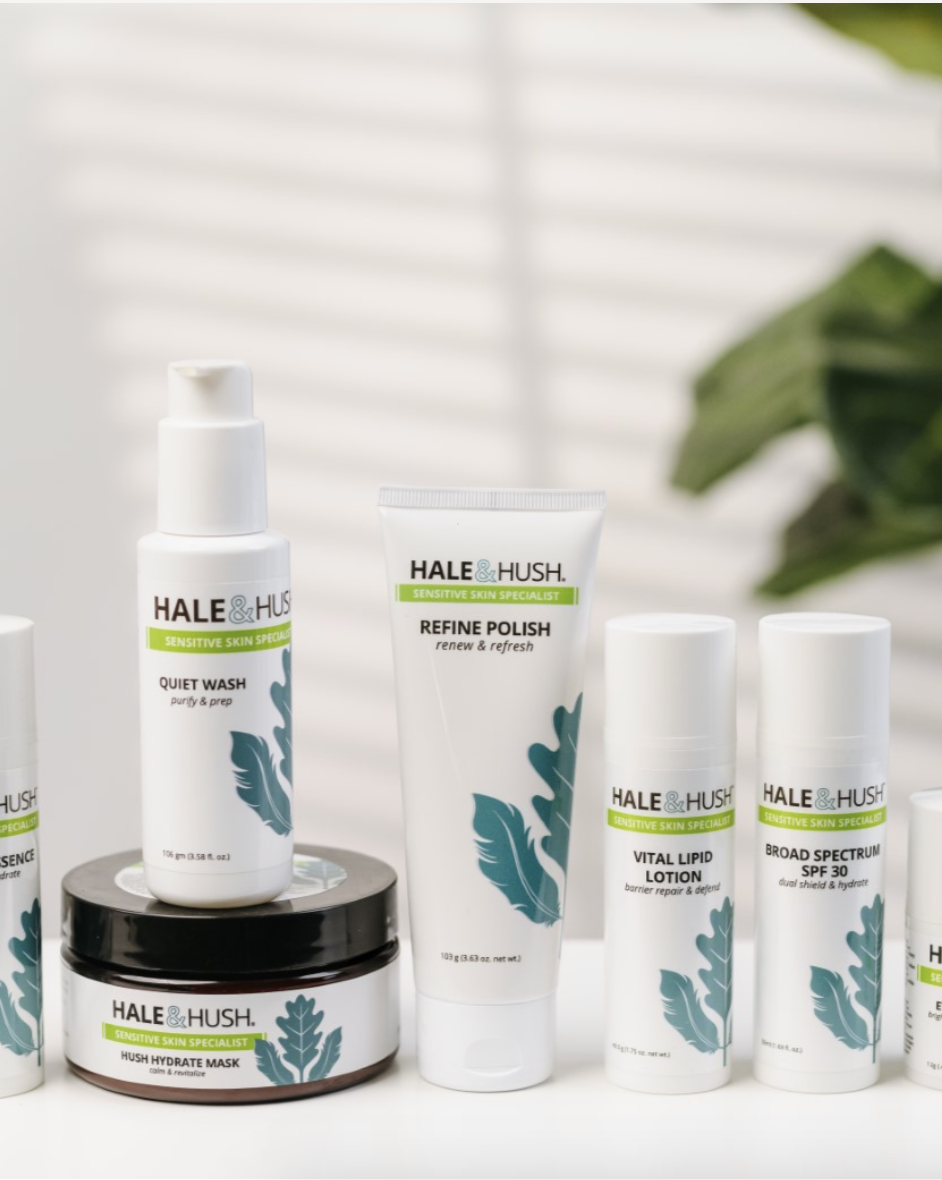
Clothing and Products That Are Better for Your Body and the Planet
Years ago in college, I took a course on ecotoxicology, where I studied the impact of environmental toxins. I read scientific research on endocrine disruption caused by plastics and other pollutants, learned about the dangers of pesticides through the work of Rachel Carson, and watched documentaries like Blue Vinyl that explored the hazards of bioaccumulation.
With recent releases like Netflix's The Plastic Detox, growing awareness of PFAS in major brands, and the trending up of social media posts against plastic, I've found myself thinking more critically about the products I choose to use and recommend. Our dependence on plastic and overconsumption needs to change.
While it's easy to reach for the heavily advertised, mainstream option, I want to offer a reminder that there are natural brands and products that can be a better choice for both our bodies and the environment. Many of these items can also be purchased secondhand through resale sites like Poshmark and Depop, making them more affordable and even more sustainable, while keeping quality clothing in use.
Each company shares more about its materials, sourcing, and sustainability practices in its About section. Many are certified organic, Leaping Bunny certified, or use biodegradable ingredients and packaging. Below are some of the brands and products I've been resonating with lately, and why they've earned a place in my daily life.

Clothing Brands
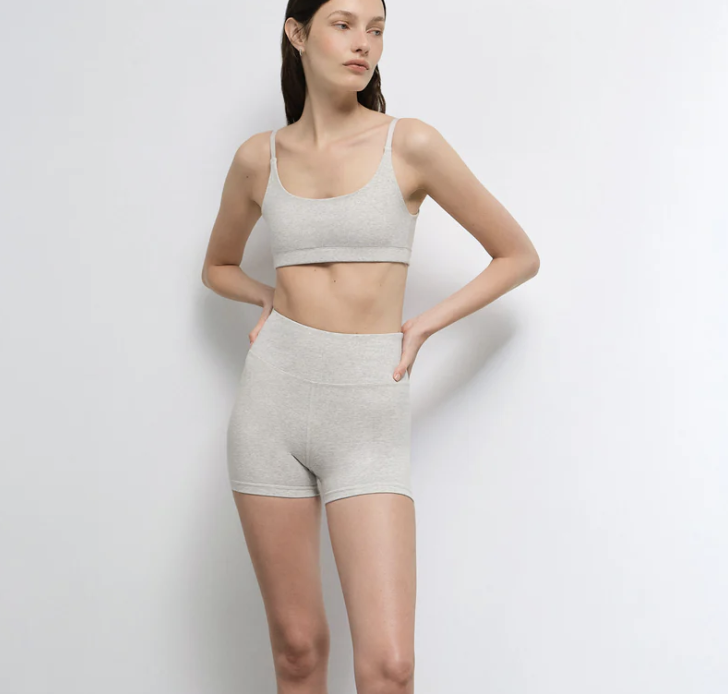
Mate The Label
Highlights:
GOTS-certified organic cotton, linen, and hemp
Uses natural dyes to create many color options
A good mix of fitted basics and oversized/relaxed styles
Woman owned and operated
Ships in plastic free packaging
Drawbacks:
More expensive than many mainstream brands
Natural fibers tend to attract lint and pet hair
Most pieces still contain a small amount of elastane (usually less than 10%) for stretch
Some colors can show sweat during hot yoga or other high-heat workouts, lighter colors may be see through
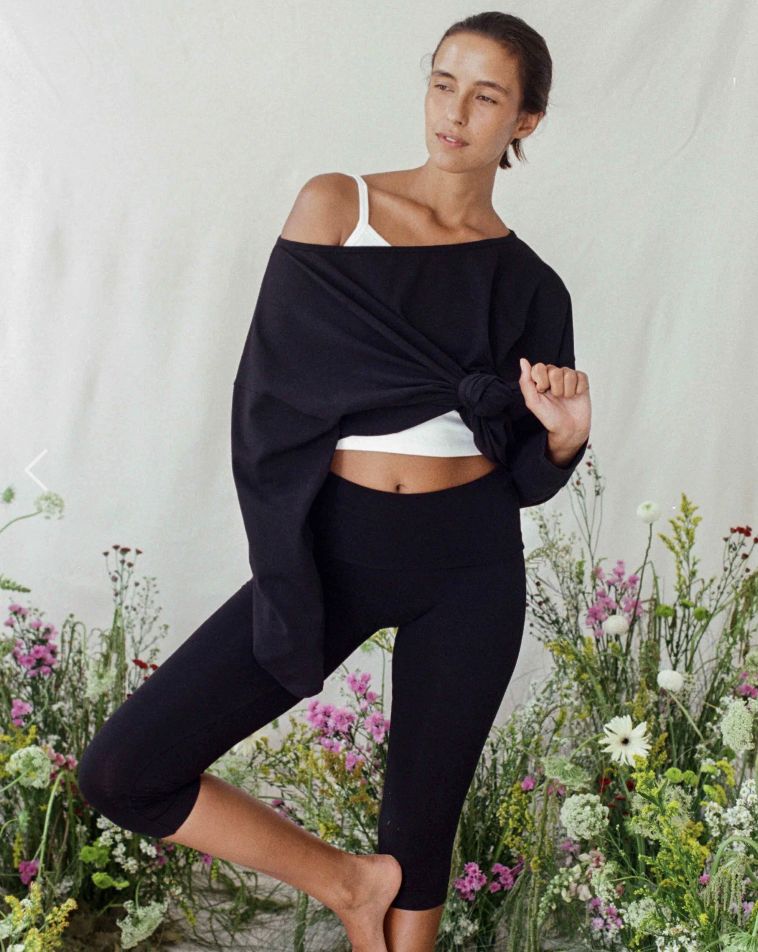
Indigo Luna
Highlights:
Uses organic cotton, Lenzing™ viscose, bamboo spandex, and TENCEL™ Modal
Fabrics are super lightweight, breathable, and wash well
Great for both yoga and everyday wear
Materials are less likely to show sweat than many natural fiber brands
Many pieces have a high resale value on Poshmark and Depop, even after use
Several styles are designed to grow with you through pregnancy
Free U.S. shipping on orders over 200 AUD
Drawbacks:
Higher price point
Returns can be a hassle since the company is based in Australia
Women's clothing only
Some products are made with recycled acrylic blended with cotton. Great from a waste reduction standpoint, but not ideal if you're trying to reduce plastic fibers
Most pieces are made with about 90% natural fibers and 10% spandex
The clothes are so good you might end up addicted to the brand
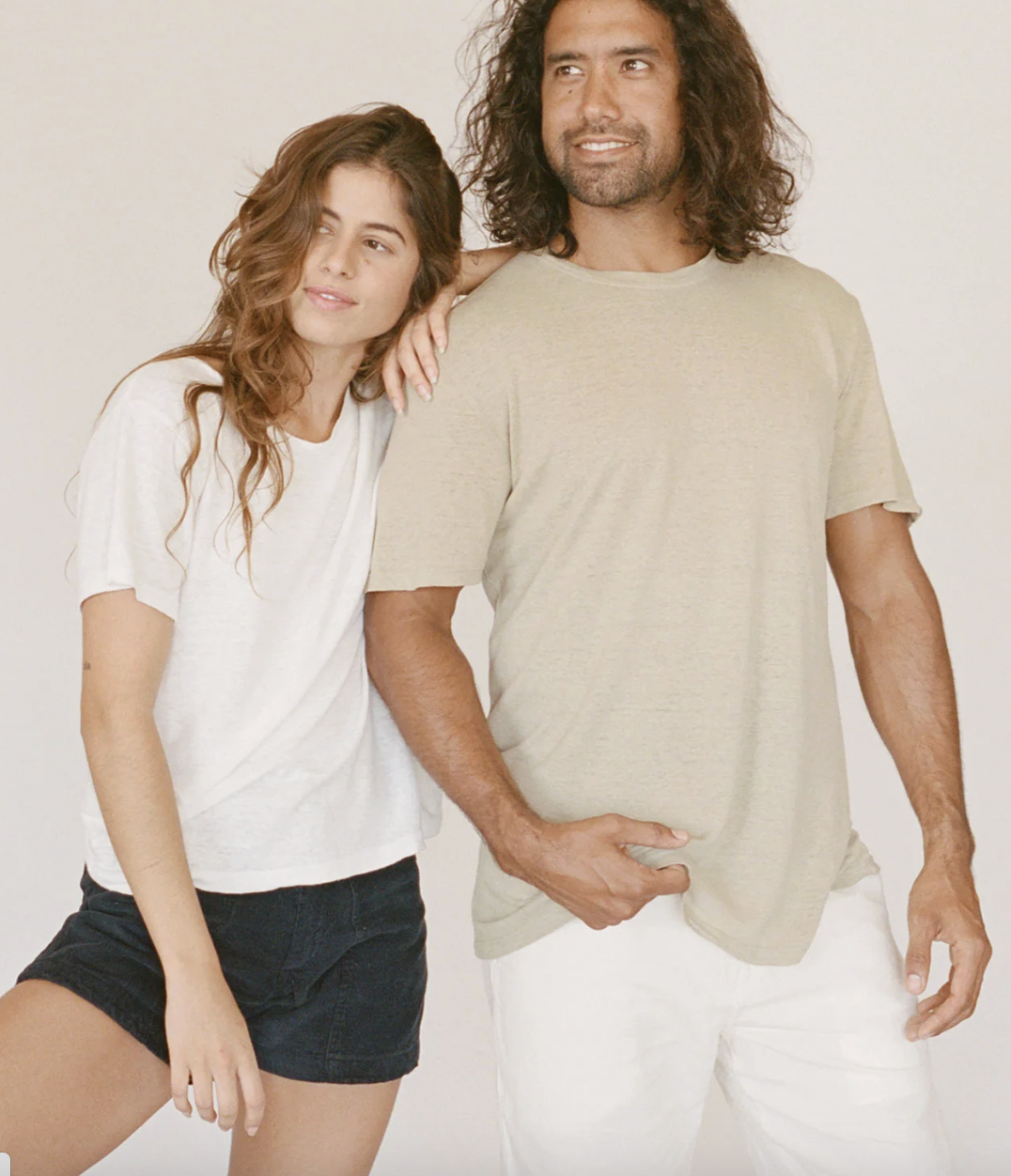
Jungmaven
Highlights:
Uses GOTS- and OCS-certified hemp and organic cotton
Great for both everyday wear and exercise
Offers styles for both men and women, with many unisex options
Wide range of color choices
Has a hemp exchange program to help extend the life of their clothing
Offers discounts for teachers and first responders
Easy returns and exchanges
U.S. based company on the West Coast
Drawbacks:
Higher price point
Hemp/cotton fabric can show signs of wear over time, especially with frequent use
Best to wash hemp/cotton pieces separately in cold water to help them last longer
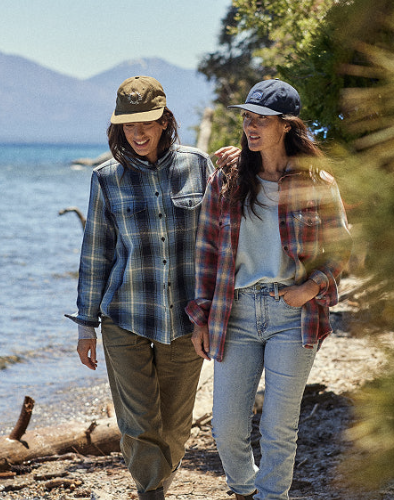
Highlights:
Uses organic cotton and post-consumer recycled fishing nets in select products (each item is individually labeled with its materials)
Company places a strong emphasis on responsible sourcing, farming, worker well-being, and resale
Founded by surfer Kelly Slater and based in California
Offers a wide range of apparel for everyday wear and outdoor activities.
Disadvantages:
Higher price point
Some products contain synthetic fibers, though they are made from post-consumer recycled materials and clearly labeled
Haircare/Skincare Products
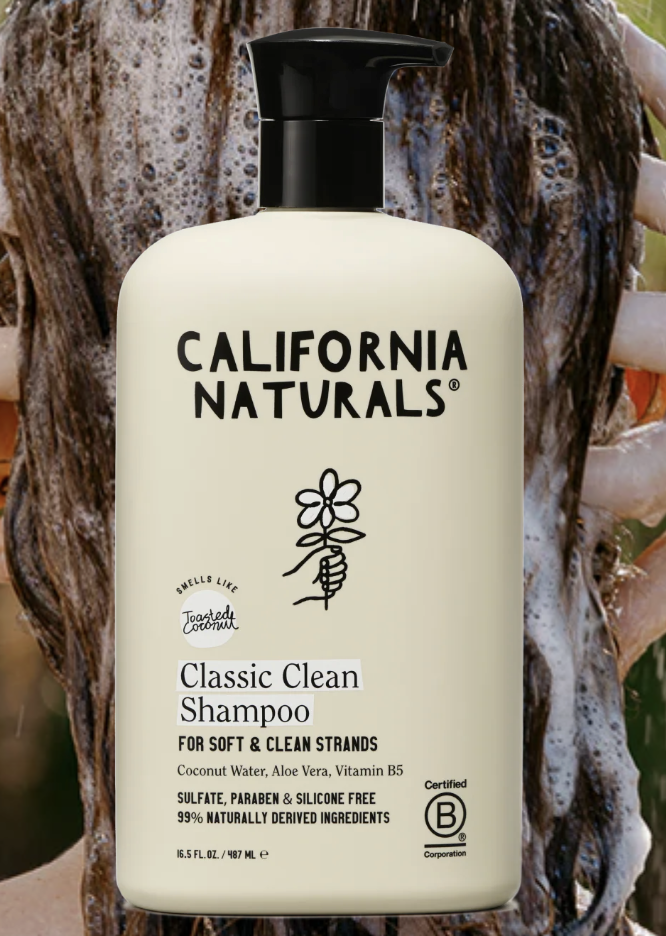
California Naturals
Highlights:
Made with 90–99% naturally derived ingredients.
Leaves hair feeling clean, smooth, and refreshed
Packaging is made from 100% post-consumer recycled materials
Affordable and easy to find at natural grocery stores like Sprouts
Drawbacks:
May weigh down finer hair types.
Fairly priced compared to other natural brands, but still slightly more expensive than conventional options
Not certified organic
Note:
Owen Wilson is the Chief Sustainability Officer (CSO)
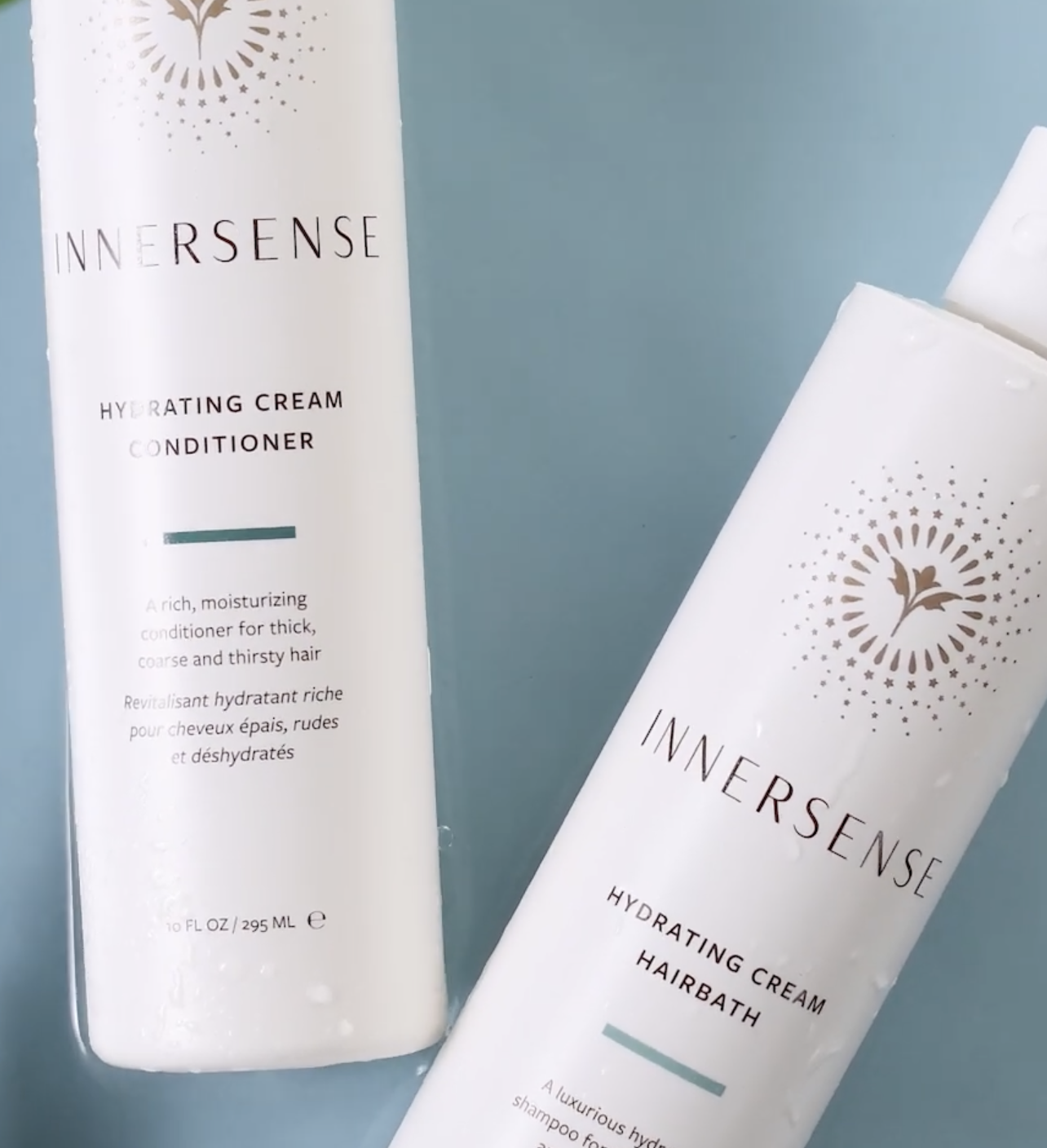
Highlights:
Ethically and sustainably sourced ingredients
Leaves hair looking and feeling clean
Offers options for straight, wavy, and curly hair types
Certified organic
Can be purchased locally through salons
Drawbacks:
Higher price point
Formula is thinner compared to some other natural hair products
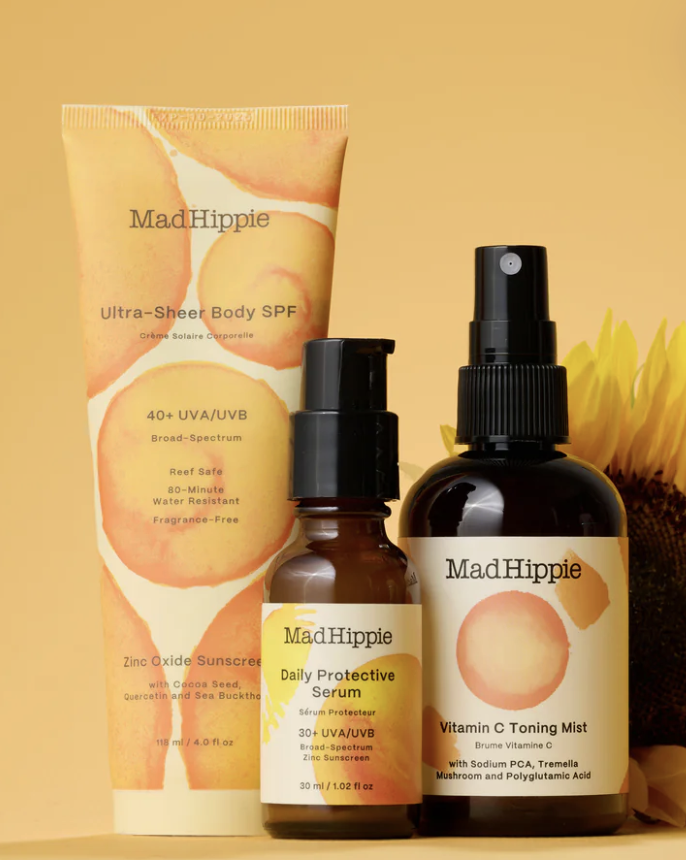
Highlights:
Vegan, cruelty-free, and made with clean ingredients
Offers reef-safe sunscreen products
Full line of face care products
Available at natural grocery stores like Sprouts
Disadvantages:
Slightly higher cost compared to conventional brands
Not certified organic
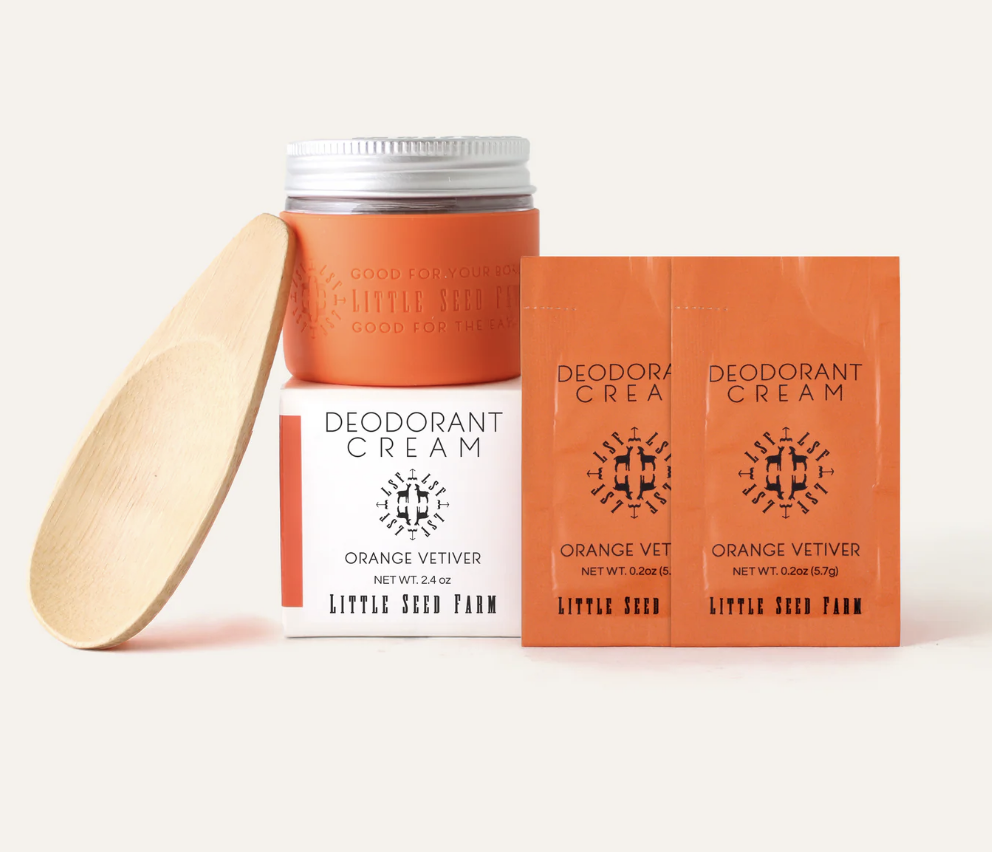
Highlights:
Small farm batches made with 100% grass-fed goat milk
Organic and 100% natural ingedients
Focuses on sustainable farming practices and eco-conscious shipping
Natural deodorant that actually works
Refillable containers
Offers free samples (just pay shipping)
Uses compostable packaging
Disadvantages:
Some people may experience skin reactions or irritation from natural deodorants.
Higher cost compared to conventional deodorant brands.